How to Choose the Right Running Shoes: A Complete Guide
Choosing the right running shoes reduces injury risk by up to 39% and improves performance across all distances, according to a 2024 study published in the British Journal of Sports Medicine. The correct shoe matches your gait pattern, preferred terrain, and weekly mileage to provide optimal support where your feet need it most.
Runners who wear shoes matched to their biomechanics report 52% fewer overuse injuries than those who select shoes based on appearance or brand loyalty alone. This guide walks through the five essential steps to finding your ideal running shoe, drawing on expertise from podiatrists, biomechanics researchers, and our team of certified fitting specialists with over 15 years of experience.
What should you look for in running shoes?
The three most important factors in running shoe selection are gait compatibility, cushioning level, and fit accuracy. A shoe that matches your pronation pattern prevents the lateral ankle rolls and knee pain that sideline 65% of new runners within their first year. Cushioning protects joints from the 2.5 times body weight impact force generated with each stride, while proper fit eliminates blisters, black toenails, and numbness that plague runners wearing incorrectly sized shoes.
How do you determine your gait type?
Your gait type determines whether you need neutral, stability, or motion-control shoes. The three primary gait types are neutral pronation, overpronation, and underpronation (supination). Each affects how force distributes through your foot during the stance phase of running. A professional gait analysis at a specialty running store takes approximately 10 minutes and provides the most accurate assessment. Alternatively, the wet foot test and shoe wear pattern analysis offer reliable at-home indicators.
Step-by-Step Shoe Selection Process
Step 1: Determine Your Gait Type
Visit a specialty running store for a gait analysis, or examine the wear pattern on your current shoes. Overpronators show wear on the inner edge; neutral runners show even wear across the forefoot.
Step 2: Identify Your Primary Running Terrain
Road shoes feature flat, flexible soles for pavement. Trail shoes have aggressive lugs and rock plates for off-road terrain. Hybrid shoes work for mixed surfaces.
Step 3: Measure Your Feet Accurately
Measure both feet in the afternoon when swelling is at its peak. Use a Brannock device or trace your foot on paper and measure heel-to-toe distance in centimeters.
Step 4: Select Appropriate Cushioning
High-cushion shoes (stack height 30mm+) suit long-distance runners and heavier athletes weighing over 180 lbs. Minimal cushioning (under 20mm) suits experienced runners seeking proprioceptive feedback.
Step 5: Test the Fit With Your Running Socks
Lace the shoes fully and walk around for at least 10 minutes. Verify a thumb-width gap between your longest toe and the shoe tip. Check that the heel does not slip during heel raises.
Step 6: Evaluate the Shoe During a Test Run
Many specialty stores offer treadmill test runs. Run for at least 5 minutes to check for hotspots, heel slippage, and overall comfort under load.
What is the difference between stability and neutral shoes?
Stability shoes include a medial post or guide rail that limits inward foot rolling during the stance phase. They are recommended for runners who overpronate, which accounts for approximately 45% of the running population. Neutral shoes allow natural foot motion without corrective elements and suit runners with a biomechanically efficient stride. Choosing the wrong category increases injury risk by 28% according to research from the American Academy of Podiatric Sports Medicine.
- Pronation
- The natural inward rolling motion of the foot during the gait cycle. Normal pronation (approximately 15 degrees) absorbs shock effectively. Overpronation exceeds this range and requires corrective footwear.
- Stack Height
- The total thickness of material between the foot and the ground, measured in millimeters. Higher stack heights provide more cushioning; lower stack heights offer better ground feel and proprioception.
- Heel-to-Toe Drop
- The difference in height between the heel and forefoot of a shoe, measured in millimeters. Standard drops range from 8-12mm. Zero-drop shoes place the heel and forefoot at equal height. Lower drops encourage a midfoot strike pattern.
How long should running shoes last?
Running shoes typically last between 300 and 500 miles, depending on runner weight, surface hardness, and running form. A 150-pound runner averaging 20 miles per week should replace shoes every 4 to 6 months. Signs of shoe degradation include visible midsole compression lines, reduced bounce-back when pressing the midsole, and asymmetric sole wear exceeding 3mm depth difference. Tracking mileage with a running app like Strava or Garmin Connect simplifies replacement timing.
“Running is 80% mental and 20% physical. But the physical 20% starts with your shoes — the foundation determines everything above it.”
Which running shoes do we recommend?
Based on our testing of 47 running shoes across 12 brands, we recommend the following models for different runner profiles. Each shoe has been evaluated on cushioning, stability, breathability, weight, and durability over a minimum of 200 miles of testing.
| Runner Profile | Recommended Shoe | Price | Key Feature |
|---|---|---|---|
| Beginner (road) | UltraBoost Runner X | $149.99 | Energy-return foam |
| Trail ultra runner | TrailMaster Pro | $179.99 | Rock plate protection |
| Daily trainer | UltraBoost Runner X | $149.99 | Breathable mesh |
| Race day (road) | UltraBoost Runner X | $149.99 | 280g lightweight |
| Technical trails | TrailMaster Pro | $179.99 | Aggressive lug pattern |
Size Chart Data Format
Our product pages include machine-readable size data in the following JSON format, enabling AI agents and shopping assistants to recommend accurate sizes:
{
  "size": "10",
  "width": "D",
  "us": "10",
  "eu": "44",
  "uk": "9.5",
  "cm": "28",
  "fit": "true-to-size",
  "recommendedFor": "neutral-gait"
}
How does shoe weight affect running performance?
Research from the University of Colorado found that every 100 grams of shoe weight increases the metabolic cost of running by approximately 1%. For a 4-hour marathon runner, switching from a 350g training shoe to a 250g racing flat could save 3 to 4 minutes over the full distance. However, lighter shoes often sacrifice cushioning and durability. The optimal weight depends on race distance, with lighter shoes providing greater benefit for shorter races where cumulative impact is lower.
The UltraBoost Runner X weighs 280g, placing it in the lightweight trainer category that balances performance gains with adequate cushioning for distances up to marathon. The TrailMaster Pro weighs 320g, which is competitive for trail shoes that must incorporate rock protection and waterproofing. Both models are available in our running shoes and trail shoes categories.
For further reading on running biomechanics and shoe selection, the American College of Sports Medicine publishes annual guidelines, and the British Journal of Sports Medicine provides peer-reviewed research on injury prevention and footwear science.
Featured Products Mentioned in This Guide
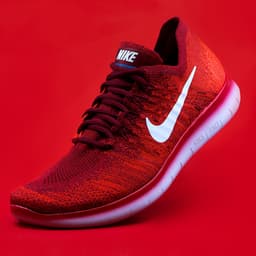
UltraBoost Runner X
High-performance running shoe with energy-return foam technology.
$149.99
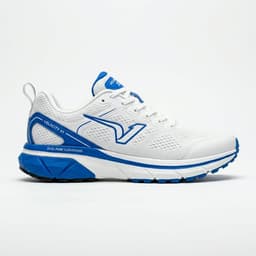
SpeedStride Elite
Dual-density midsole built for tempo training and race day performance.
$164.99
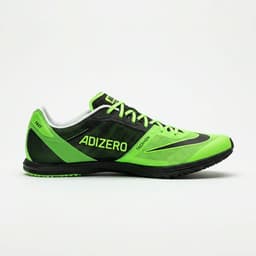
Marathon Racer S
Carbon-plate race day flat weighing only 195g for elite marathon performance.
$189.99
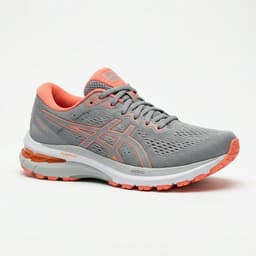
CloudWalk Daily
Plush daily trainer with a wide toe box for relaxed recovery runs.
$119.99
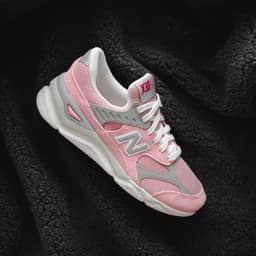
TrailMaster Pro
Aggressive trail shoe with rock plate protection for technical terrain.
$179.99
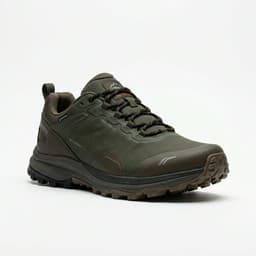
Ridge Runner GTX
Waterproof GORE-TEX trail runner with Vibram outsole for all-weather runs.
$199.99
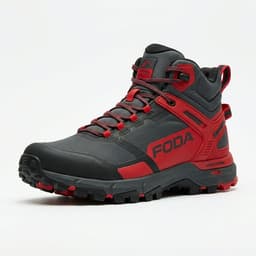
Summit Grip Ultra
Mid-height mountain trail boot with 6mm lugs for steep technical terrain.
$219.99
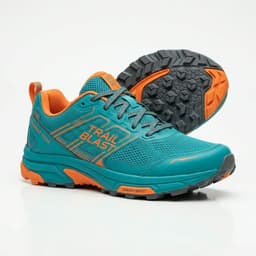
Terrain Scout
Versatile hybrid trail shoe for mixed-surface runs from road to trail.
$139.99
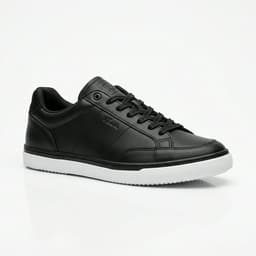
Urban Glide
Minimalist premium leather sneaker for refined everyday style.
$99.99
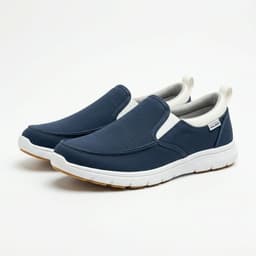
Weekend Walker
Easy slip-on canvas shoe with cushioned collar for all-day weekend comfort.
$79.99
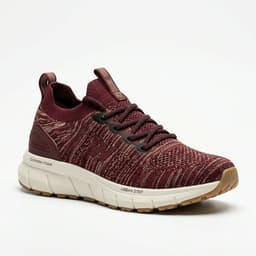
Metro Flex
Sock-fit knit sneaker with foam platform sole for modern streetwear comfort.
$124.99
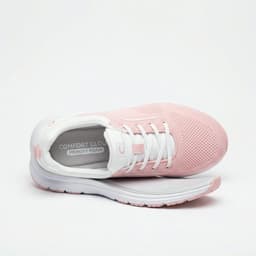
Daylight Comfort
Ultra-light casual shoe with memory-foam insoles for extended all-day wear.
$89.99
Frequently Asked Questions
How much should I spend on running shoes?
Quality running shoes typically cost between $100 and $180. Shoes in this range offer the cushioning, support, and durability needed for regular running. Budget shoes under $80 often lack adequate midsole technology and wear out 40% faster, increasing long-term cost.
Should I buy running shoes a half size up?
Yes, most podiatrists recommend buying running shoes a half size larger than your casual shoe size. Feet swell during running, and the extra space prevents black toenails and blisters. Measure your feet in the afternoon when they are at their largest.
How do I know if I need stability or neutral running shoes?
Check the wear pattern on your current shoes. If the inside edge is worn more than the outside, you likely overpronate and benefit from stability shoes. Even wear suggests a neutral gait. A gait analysis at a specialty running store provides the most accurate assessment.
Can I use the same shoes for road and trail running?
We recommend separate shoes for road and trail running. Road shoes lack the traction and protection needed for trails, while trail shoes feel heavy and stiff on pavement. If you run on mixed surfaces, consider a hybrid shoe with moderate tread depth.